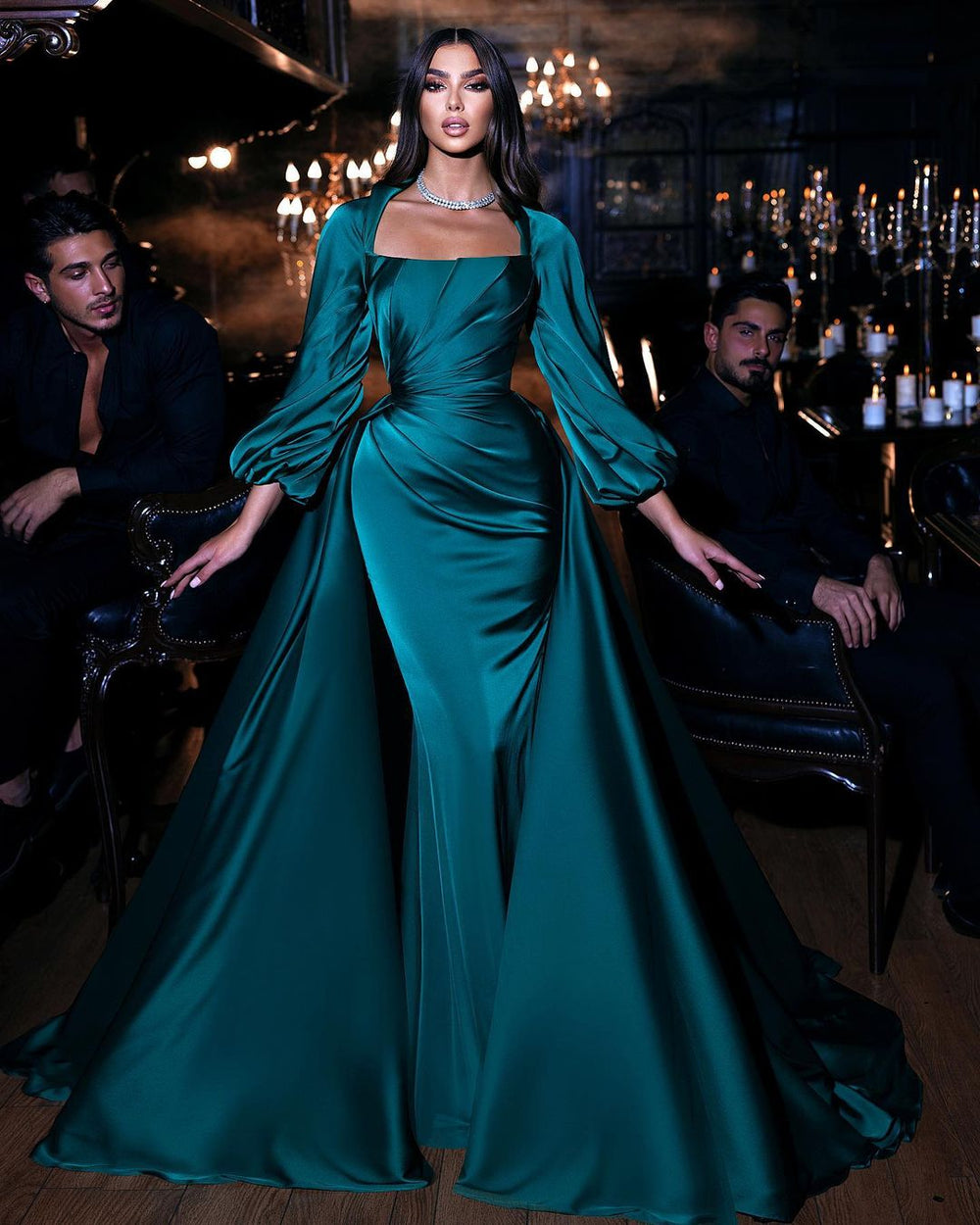
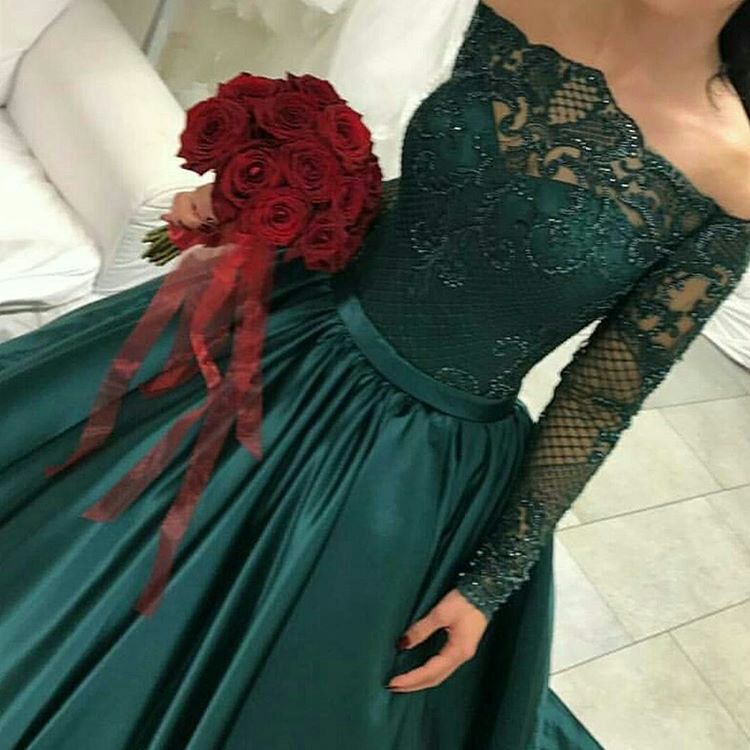
Common materials include: Silk and satin for their lustrous finish and elegant drape Chiffon for flowing, romantic movement Velvet for rich texture and wintertime sophistication Taffeta for structured, voluminous silhouettes Sequined and beaded fabrics for added glamour and sparkle Design Elements Formal dresses often feature intricate details that elevate their sophistication: Elaborate embellishments like beading, sequins, or embroidery Structured bodices with boning or corsetry Dramatic trains or flowing skirts Elegant necklines such as sweetheart, halter, or high neck designs Statement backs with illusion panels, keyhole cutouts, or dramatic open backs When to Wear Formal Dresses Formal attire is appropriate for: Black-tie weddings and galas Military balls and formal ceremonies Opera and theater opening nights Charity fundraisers and high-profile events Prom and formal school dances Award ceremonies and formal banquets Decoding Semi-Formal Dress Codes Semi-formal attire strikes a balance between casual elegance and formal sophistication
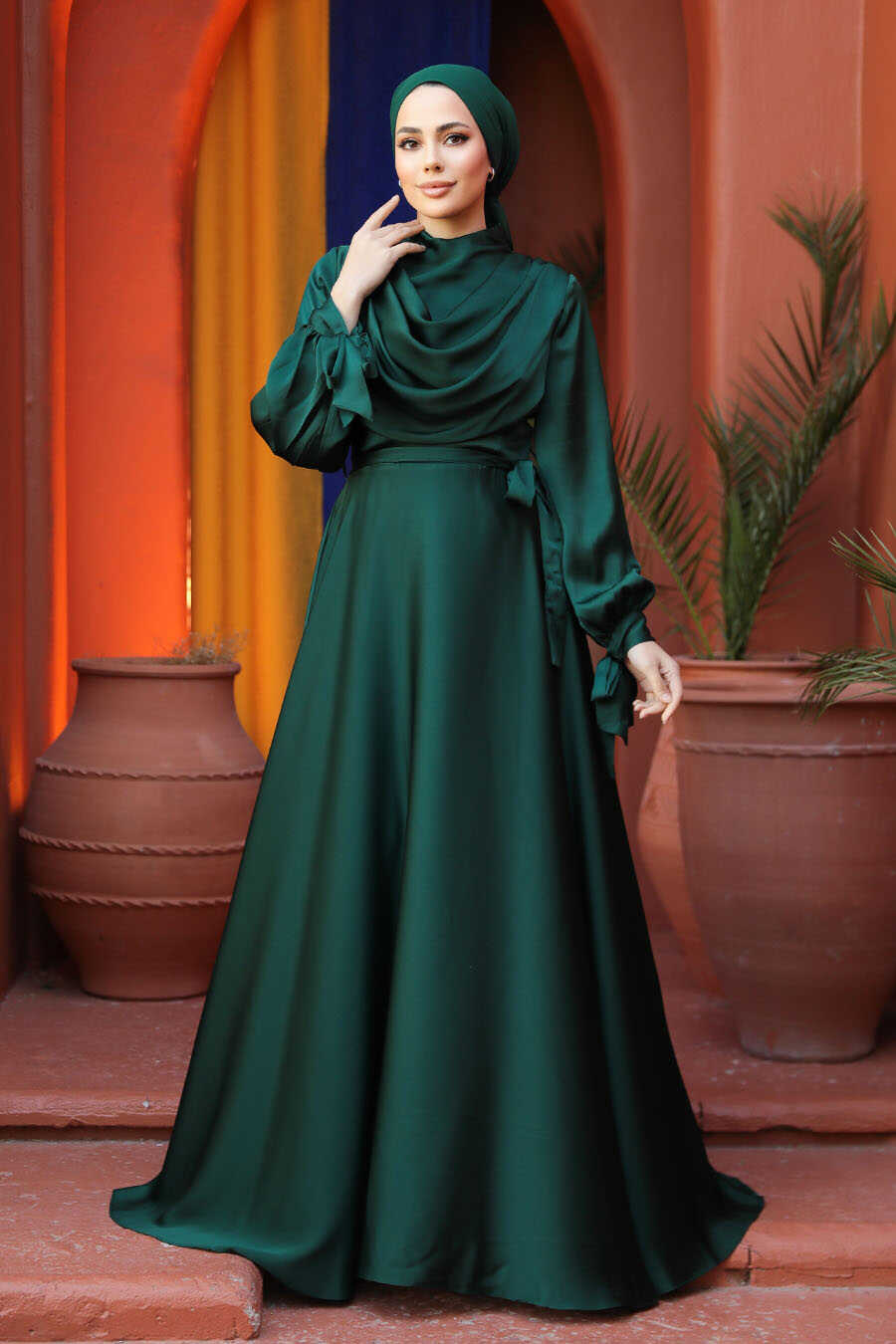
What makes one event stand out from the rest
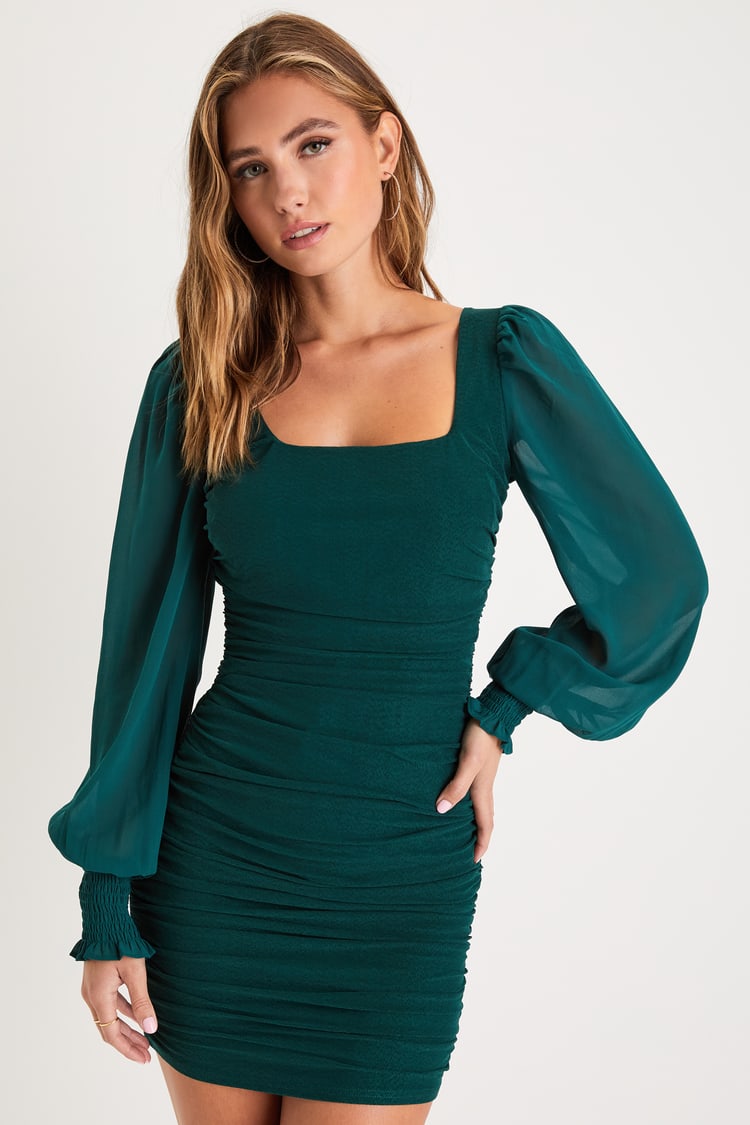
It is designed with aslim-fit bodycon silhouettethat follows the curves of the body
Garrison or Combination cap Wooly-Pully can be worn with enhanced or soft shoulder boards Outerwear: trench coat, windbreaker, all-weather/foul-weather parka Tropical Blue Worn year-round except where coat and tie are more appropriate USAF Light blue short sleeve shirt w/epaulets and blue dress pants or dress skirt Black socks and shoes Shoulder boards, name tag, ribbons, Qualification devices Garrison Combination cap Wooly-Pully is okay Outerwear: windbreaker, trench coat WomensTunic New Item* Good looks that travel light
If you want to see different items, check out our range of Costume Pants to complete your Old Money Pants collection